
Meditations
Verified
One of his most cross-listed favourites — on both his nonfiction “pillar” and “most wisdom” lists; the Stoic bedrock behind Atomic Habits.
WebsiteSource: James Clear — “Best Nonfiction Books” (jamesclear.com)
Your search did not return any results.
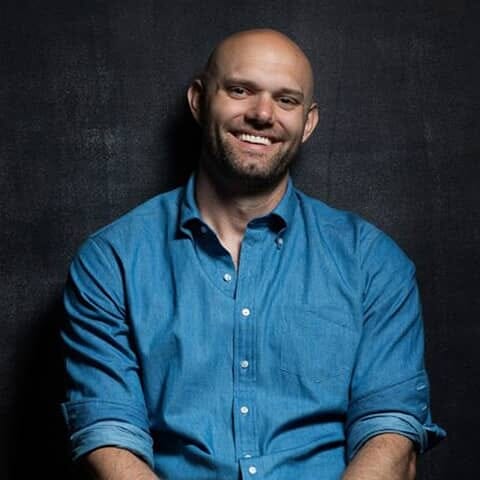
James Clear is best known for Atomic Habits, one of the best-selling books of its era — but before he was a writer he was a systematic reader, and he has been unusually open about how he reads. On jamesclear.com he keeps two very different archives: a large collection of book summaries, where he takes notes on almost everything he reads, and a much smaller set of curated best-books lists, where he names the titles that actually earned a recommendation. He is explicit about the difference — on his favourites page he tells readers that if a book is on one of those lists, they can assume he recommends it or has found it useful in his own life.
The reading behind the recommendations is practical and improvement-minded, exactly what you would expect from the habits author. He gravitates to Stoic and practical philosophy (Marcus Aurelius, Epictetus), the psychology of behaviour and decision-making (Cialdini, Gilbert, Taleb), the creative process (Pressfield, Johnstone) and clear-eyed accounts of how the world works (Hawking, Diamond) — plus a genuine love of story, from The Count of Monte Cristo to The Alchemist. What unites the shelf is usefulness: Clear reads to extract durable ideas he can apply, and recommends the handful of books that repaid that effort most.
Read as a whole, James Clear’s recommendations are the reading list of an applied thinker — someone who mines books for transferable ideas and then tests them in practice. The centre of gravity is practical wisdom. His two most-cross-listed favourites are Marcus Aurelius’s Meditations and Epictetus’s Manual for Living: Stoic handbooks about controlling what you can and letting go of what you can’t, which map almost directly onto the small-behaviours philosophy of Atomic Habits. Around them sit the books that taught him how minds actually work — Robert Cialdini’s Influence, Daniel Gilbert’s Stumbling on Happiness, Nassim Taleb’s Fooled by Randomness — the psychology and probability underneath any serious attempt at self-improvement.
A second thread is the creative process. Clear recommends Steven Pressfield’s The War of Art and Keith Johnstone’s Impro because he thinks of writing and habit-building as the same problem: doing the work consistently in the face of resistance. And a third thread is the examined life at its edges — When Breath Becomes Air, Into Thin Air, Just Mercy — books that use mortality, risk and injustice to ask what actually matters, the question all the productivity advice is ultimately in service of.
What makes his list trustworthy is the very distinction it enforces. Clear reads far more than he recommends, and he refuses to let the two blur: a book he summarised is not automatically a book he endorses. That discipline is itself the lesson of the shelf — the same filtering instinct that turned a blog about habits into a global best-seller. His reading reveals a writer who treats books as tools, keeps only the ones that work, and is honest enough to tell you which is which.
Epictetus’s handbook distils the same Stoic discipline into blunt rules for daily action — control what you can, release the rest.
That self-command, aimed at the creative struggle, becomes Pressfield’s war on Resistance — the discipline behind doing the work.
From governing yourself to understanding how others are moved — Cialdini’s psychology of persuasion, one of Clear’s pillar books.
And the humility to see how much outcome is luck — Taleb on the randomness that habit and skill can only partly tame.
All of that discipline in service of the only real question — Kalanithi on how to live well in the finite time you have.
One of his most cross-listed favourites — on both his nonfiction “pillar” and “most wisdom” lists; the Stoic bedrock behind Atomic Habits.
WebsiteSource: James Clear — “Best Nonfiction Books” (jamesclear.com)
Epictetus’s pocket handbook of Stoicism — a top self-help and wisdom pick, and the clearest ancestor of Clear’s focus-on-what-you-control ethos.
BlogSource: James Clear — “Best Self-Help Books” (jamesclear.com)
Hawking’s tour of cosmology — one of the few titles on three of his lists, valued for making the universe legible.
BlogSource: James Clear — “Best Science Books” (jamesclear.com)
Pressfield on “Resistance” and doing the work — a pillar book Clear treats as required reading for anyone who makes things.
BlogSource: James Clear — “Best Books on Creativity” (jamesclear.com)
His top psychology pick — the science of persuasion that underpins how Clear thinks about cues, cravings and behaviour change.
BlogSource: James Clear — “Best Psychology Books” (jamesclear.com)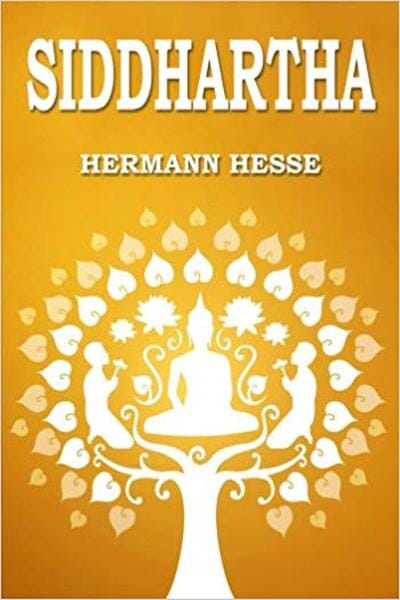
On his wisdom, fiction and philosophy lists at once — Hesse’s parable of a life spent seeking meaning through experience.
BlogSource: James Clear — “Best Philosophy Books” (jamesclear.com)
Taleb on how much of success is luck mistaken for skill — the probabilistic humility behind Clear’s systems-over-goals thinking.
BlogSource: James Clear — “Best Business Books” (jamesclear.com)
A neurosurgeon’s memoir of his own terminal illness — near the top of Clear’s pillar list, and the emotional core of the shelf.
WebsiteSource: James Clear — “Best Nonfiction Books” (jamesclear.com)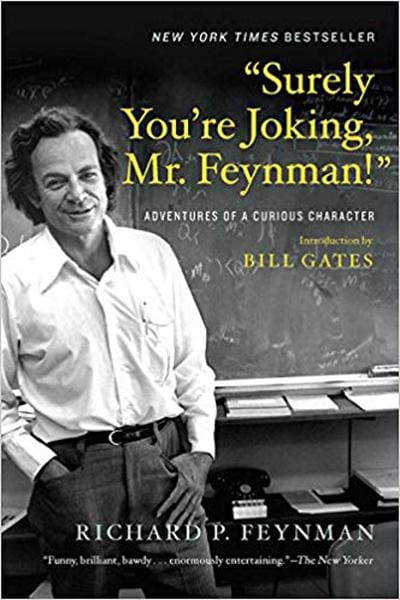
Feynman’s playful memoir of relentless curiosity — a pillar-list favourite about thinking for yourself.
BlogSource: James Clear — “Best Biographies & Memoirs” (jamesclear.com)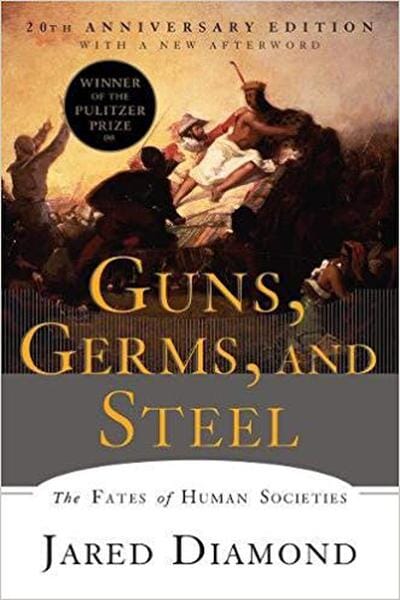
Diamond on why history unfolded as it did — big-picture explanation on his nonfiction pillar list.
WebsiteSource: James Clear — “Best Nonfiction Books” (jamesclear.com)
Krakauer’s first-hand account of a deadly Everest expedition — risk, judgement and hubris, on his nonfiction and biography lists.
BlogSource: James Clear — “Best Biographies & Memoirs” (jamesclear.com)
Johnstone on improvisation, status and spontaneity — a surprising wisdom-list pick about unlearning your own inhibitions.
WebsiteSource: James Clear — “10 Books With the Most Wisdom” (jamesclear.com)
Dalio’s codified life-and-work operating principles — systematic decision-making on Clear’s most-wisdom list.
WebsiteSource: James Clear — “10 Books With the Most Wisdom” (jamesclear.com)
Wallace’s commencement address on attention and how to think — a short, dense wisdom-list favourite.
WebsiteSource: James Clear — “10 Books With the Most Wisdom” (jamesclear.com)
Dumas’s epic of patience and revenge — one of Clear’s named favourite novels.
WebsiteSource: James Clear — “My 10 Favourite Fiction Books” (jamesclear.com)
Tolkien’s epic of perseverance against long odds — a favourite-fiction pick.
WebsiteSource: James Clear — “My 10 Favourite Fiction Books” (jamesclear.com)
Coelho’s fable of following a “personal legend” — a favourite-fiction pick about purpose and persistence.
WebsiteSource: James Clear — “My 10 Favourite Fiction Books” (jamesclear.com)
Lee’s novel of conscience and moral courage — one of his favourite works of fiction.
WebsiteSource: James Clear — “My 10 Favourite Fiction Books” (jamesclear.com)
Voltaire’s satire on naïve optimism — a favourite-fiction and philosophy pick that punctures easy answers.
WebsiteSource: James Clear — “My 10 Favourite Fiction Books” (jamesclear.com)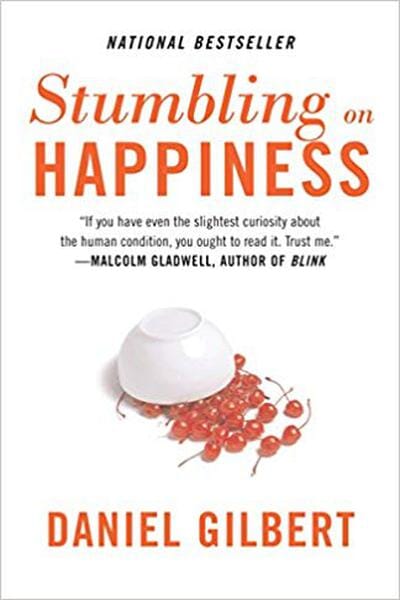
Gilbert on how badly we predict our own future feelings — decision psychology on Clear’s psychology and self-help lists.
BlogSource: James Clear — “Best Psychology Books” (jamesclear.com)
The parable-based classic on saving and compounding — a personal-finance recommendation on his business list.
BlogSource: James Clear — “Best Business Books” (jamesclear.com)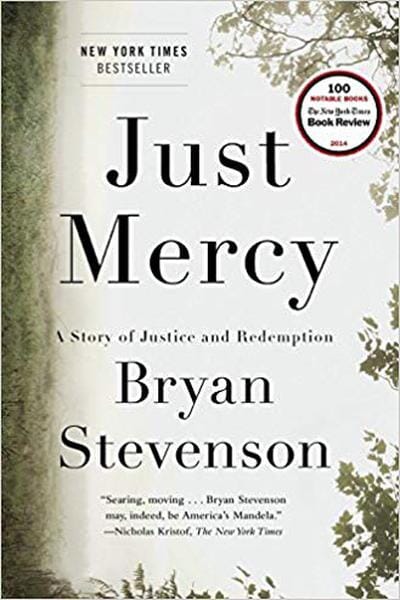
Stevenson on justice and mercy in the American legal system — a recommendation that widens the shelf beyond self-improvement.
BlogSource: James Clear — “Best Biographies & Memoirs” (jamesclear.com)
Sterner on focus, patience and process over outcome — squarely aligned with Clear’s habits philosophy.
BlogSource: James Clear — “Best Self-Help Books” (jamesclear.com)
MacLeod’s blunt, cartoon-illustrated advice on creative work — a short creativity-list recommendation.
BlogSource: James Clear — “Best Books on Creativity” (jamesclear.com)His strongest picks are the titles on his “10 Best” lists: Meditations, Manual for Living, When Breath Becomes Air, The War of Art, Influence, A Brief History of Time, Fooled by Randomness and Impro, among others. He keeps separate shortlists for nonfiction “pillar” books, page-for-page wisdom, and favourite fiction.
On his own site, jamesclear.com, in a set of curated best-books lists organised by category (nonfiction, wisdom, fiction, psychology, philosophy, creativity, business, science, self-help and biographies). Each recommendation above links to the specific list it appears on.
No — and this is an important distinction. Clear publishes summaries of almost everything he reads, which is documented reading, not endorsement. He recommends a book only when it appears on one of his curated best-books lists; he says so explicitly on his favourites page. Heavily-quoted summaries like Seneca’s On the Shortness of Life are not, on their own, recommendations.
Clear’s recommended reading in behavioural psychology and practical philosophy is the clearest window into it — Robert Cialdini’s Influence and Daniel Gilbert’s Stumbling on Happiness on how minds work, and the Stoics (Marcus Aurelius, Epictetus) on acting on what you can control.
He keeps a list of his favourite novels, which includes The Count of Monte Cristo, The Lord of the Rings, The Alchemist, To Kill a Mockingbird and Voltaire’s Candide — stories he returns to for their durable ideas as much as their plots.