logo
Shane Parrish, investor and venture capitalist and author, Recommending BestBooks

Shane Parrish's Book Recommendations – His Reading List, Mental Models, and What They Reveal

investorventure capitalistauthor
4.50

Average rating

22

Books

Shane as a reader

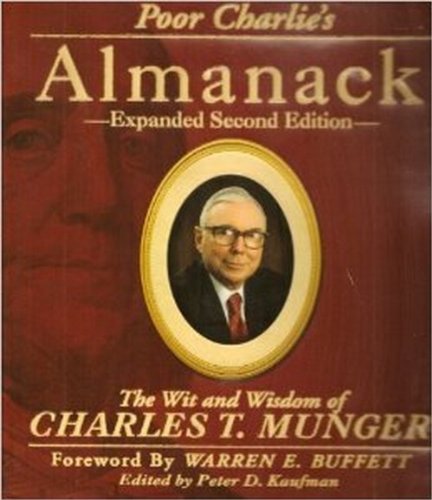
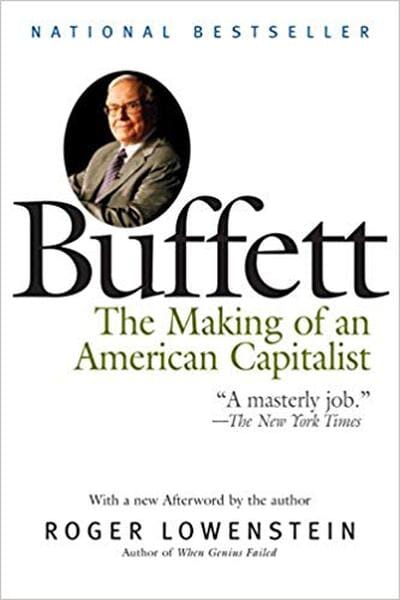
Shane Parrish reads to think better. A former cybersecurity operative at Canada’s intelligence agency, he started the blog that became Farnam Street around 2009 as a personal project: a place to work out, in public, how to make better decisions. The engine of it all was a discovery he made in university — Roger Lowenstein’s biography of Warren Buffett, which introduced him to Buffett’s partner Charlie Munger and to Munger’s idea of a latticework of mental models drawn from many disciplines. Munger’s Poor Charlie’s Almanack and Peter Bevelin’s Seeking Wisdom became his foundational texts, and multidisciplinary reading — psychology, history, biology, economics, philosophy — became his method.

What sets him apart is less what he reads than how he owns it. He is a deliberate rereader who returns to a small set of durable books rather than chasing novelty, and he has a documented system for keeping what he finds: "After I’ve finished a book, I usually put it on my desk for a week or two, let it sit, and then I come back to it. I reread all of my margin notes, my underlines, and highlights." He builds a personal index of the best passages from his marginalia, summarizes chapters in his own words, and uses a "blank sheet" to write down what he already knows before reading so new ideas connect to old ones. That practice — read, annotate, reread, re-express — is how his reading became Farnam Street, The Knowledge Project, and eventually his own books, The Great Mental Models and Clear Thinking.

Shane's reading themes

  • Multidisciplinary Mental ModelsMunger’s latticework — borrowing the big ideas of many disciplines to think well.
  • Decision-Making & UncertaintyReading to improve judgment and to gain from disorder rather than merely survive it.
  • Rereading Durable WorksReturning to a small set of foundational books instead of chasing novelty.
  • History & Biography as Compressed ExperienceLearning from real decisions made by people under real constraints.
  • How to Read & RememberMarginalia, a personal index, and rewriting ideas in his own words.

What Shane's reading reveals

Read together, Shane Parrish’s books describe a single project: building and stress-testing a latticework of mental models for better decisions. The lineage is explicit. Lowenstein’s Buffett was the on-ramp — "by pure luck I came across this book and it introduced me to the thinking of Warren Buffett and his partner Charlie Munger." Munger’s Poor Charlie’s Almanack supplied the core idea — that worldly wisdom comes from borrowing the big models of many disciplines — and Bevelin’s Seeking Wisdom systematized it. These are not investing books to him; they are a thinking apparatus, and they are the reason Farnam Street exists.

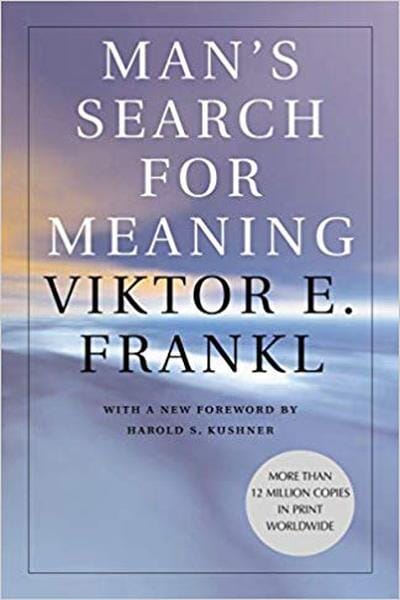
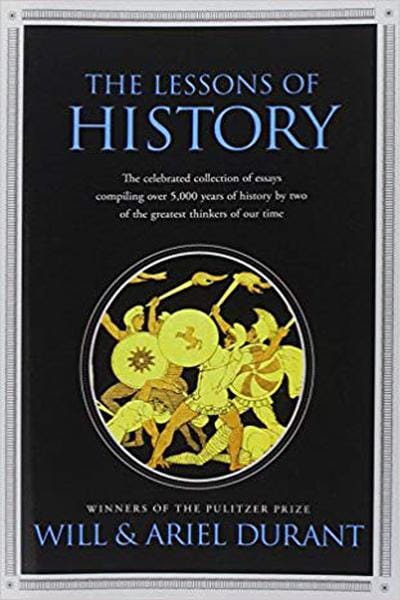
Around that core, the reading does specific jobs. Antifragile ("this book changed how I see the world") turns the models toward decisions under uncertainty — how to gain from disorder rather than merely survive it. Biography and history serve as compressed experience: Caro’s The Power Broker as a study of how power is really accumulated and used, and the Durants’ The Lessons of History as patterns worth rereading. And a philosophical layer keeps judgment human — Marcus Aurelius’s Meditations, which he rereads until pages are underlined through, and Frankl’s Man’s Search for Meaning, on the freedom to choose your response to any circumstance.

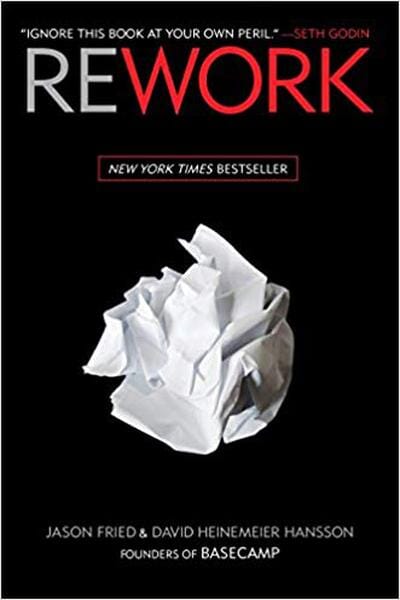
The through-line is method as much as taste. Where many readers collect books, Shane collects ideas he can deploy — indexing his marginalia, rewriting arguments in his own words, and returning to the few works that keep paying off. How to Read a Book is the practical keystone of that habit; Rework validated his instinct to do things his own way. It is the reading life of someone who treats a book not as information to be consumed but as raw material for judgment — the quiet discipline behind a career spent helping other people think more clearly.

How Shane's reading evolved

  1. Early careerDecisions under uncertaintyA cybersecurity role at Canada’s intelligence agency — a job about judgment when the stakes and the unknowns are high.
  2. UniversityDiscovering Buffett & MungerLowenstein’s Buffett biography introduces him to Munger and the idea of a latticework of mental models.
  3. ~2009–2010sFarnam Street as a learning projectA blog begun to master Munger’s models — Poor Charlie’s Almanack and Seeking Wisdom at its core.
  4. 2010sWidening the lensExpansion into decision-making, history and philosophy — Antifragile, The Lessons of History, Meditations, The Power Broker.
  5. 2015–presentThe Knowledge Project & public phaseThe podcast and annual reading lists turn a private practice into a public one.
  6. 2019–presentReader & curator → authorThe Great Mental Models and Clear Thinking distil years of reading into his own frameworks.

How the books connect

  1. Buffett introduced Shane to Charlie Munger; the Almanack is the source of the latticework of mental models at the heart of Farnam Street. (Shane-stated.)

  2. Peter Bevelin, inspired by Munger, systematizes those big ideas into a usable book — the companion Shane calls life-changing.

  3. From building models to acting on them: how to make decisions — and gain — under uncertainty. (Editorial synthesis.)

  4. The philosophical layer that keeps judgment steady — a durable text he rereads and underlines through. (Editorial synthesis.)

  5. And the method that turns all of it into models he can use — marginalia, a personal index, and rewriting ideas in his own words. (Shane-stated practice.)

Shane's reading list12 books

Frequently asked questions

What are Shane Parrish’s favorite books?

The books he calls life-changing include Charlie Munger’s Poor Charlie’s Almanack, Peter Bevelin’s Seeking Wisdom, Roger Lowenstein’s Buffett biography, Nassim Taleb’s Antifragile, and Viktor Frankl’s Man’s Search for Meaning. He also rereads Marcus Aurelius’s Meditations.

Which books influenced Farnam Street?

Farnam Street grew out of Shane’s study of Charlie Munger. The two foundational texts are Munger’s Poor Charlie’s Almanack and Peter Bevelin’s Seeking Wisdom, which systematizes Munger’s idea of a latticework of mental models drawn from many disciplines.

What books does Shane Parrish recommend about decision-making?

His decision-making core is the Munger latticework — Poor Charlie’s Almanack and Seeking Wisdom — plus Nassim Taleb’s Antifragile, which he says changed how he sees the world, for thinking about uncertainty and risk.

What does Shane Parrish say about rereading?

He is a deliberate rereader who returns to durable books rather than chasing new ones. He rereads Meditations until pages are underlined through, plans to reread The Lessons of History “a few times,” and revisits parts of Poor Charlie’s Almanack most years.

How does Shane Parrish remember what he reads?

He annotates as he reads, then lets a book sit before coming back to reread his margin notes. He builds a personal index of the best passages, summarizes chapters in his own words, and uses a “blank sheet” to write down what he already knows before reading so new ideas connect to existing ones.

Which Buffett and Munger books does Shane Parrish recommend?

For Buffett and Munger he points to Charlie Munger’s Poor Charlie’s Almanack, Roger Lowenstein’s Buffett: The Making of an American Capitalist, and Peter Bevelin’s Seeking Wisdom — the three that shaped his own thinking.

Last verified: July 2026Edited by: Inteldo Editorial Team