logo
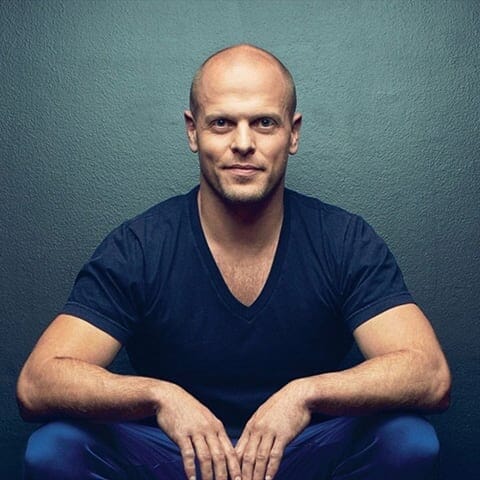
Tim Ferriss, media personality and technology and venture capitalist and author, Recommending BestBooks

Tim Ferriss's Book Recommendations – His Reading List, Sources, and What It Reveals

media personalitytechnologyventure capitalistauthor
4.58

Average rating

131

Books

Tim as a reader

Tim Ferriss reads the way he does everything else: as a relentless deconstructor looking for the smallest set of ideas that change behaviour the most. He is less interested in accumulating books than in re-reading a tiny personal canon until it rewires how he acts — Seneca's letters "more than 100 times," Anthony de Mello's Awareness five or six times, Rolf Potts' Vagabonding at least ten. His test for a book is blunt: how is it going to affect your behaviour, your beliefs, or your actions?

Two habits define him as a reader. First, he gives books away by the armful — he keeps a shelf of Awareness in his guest bedroom for visitors to take, and has handed Seneca to "more friends than I can even count and several hundred acquaintances." Second, he uses fiction as medicine for an over-analytical mind, pressing Zorba the Greek, Dune and Gates of Fire on hyper-driven, Type-A friends to get them "outside their own heads." Underneath it all runs a Stoic operating system — the same source that powers his "fear-setting" exercise — balanced by a contemplative interest in awareness, meditation and, more recently, the science of the mind.

Tim's reading themes

  • StoicismPhilosophy as equipment for living.
  • Practical Philosophy & AwarenessObserving the mind rather than obeying it.
  • Entrepreneurship & SystemsDesigning businesses instead of grinding them.
  • Peak Performance & LearningSelf-experimentation and skill acquisition.
  • Lifestyle DesignTime-wealth, travel and minimalism.
  • Psychedelics & Mental HealthThe science of the mind and its repair.
  • Decision-Making & Mental ModelsThinking clearly and avoiding self-deception.
  • Fiction for Over-ThinkersStories that get Type-A minds out of their own heads.

What Tim's reading reveals

Read together, Tim Ferriss's recommendations describe a practitioner assembling a toolkit for performing — and surviving — under self-imposed pressure. The backbone is Stoicism. Seneca's Letters from a Stoic is the book he names as his favourite "of all time" and gives away more than any other; Ryan Holiday's The Obstacle Is the Way, which he carried "in my backpack… all day and every day" through a hard stretch and later published as an audiobook, is its modern companion. This is philosophy as equipment for living, not academic study.

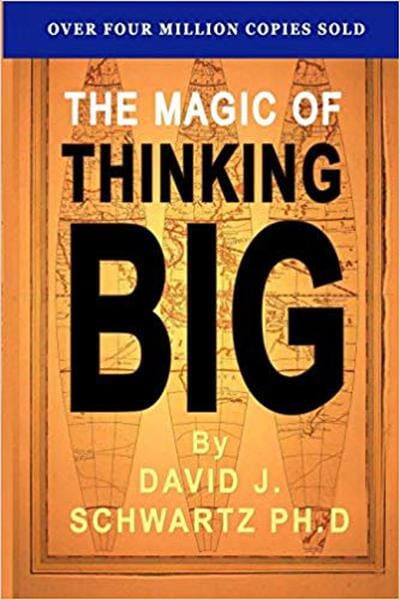
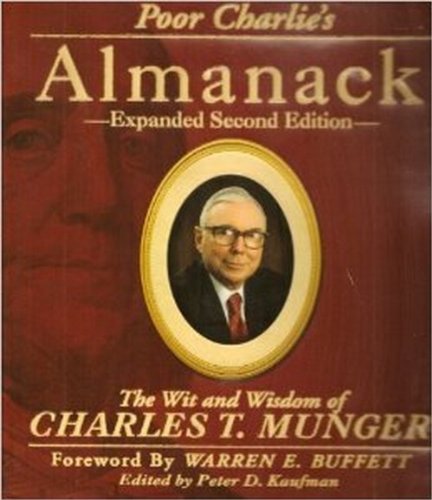
From that base the list branches along consistent lines. An entrepreneurial spine — the "Fundamental Four" he first printed in The 4-Hour Workweek (The Magic of Thinking Big, How to Make Millions with Your Ideas, The E-Myth Revisited and Vagabonding) plus Drucker's The Effective Executive — treats business as a system to be designed rather than ground out. A performance-and-learning thread runs from his own self-experimentation into Mason Currey's Daily Rituals. A decision-making thread leans on Munger's Poor Charlie's Almanack and its more digestible companion, Bevelin's Seeking Wisdom. And a contemplative counter-current — de Mello's Awareness, and later Michael Pollan's How to Change Your Mind — marks his post-2018 turn toward meditation, mental health and psychedelic science.

The evolution is legible across two decades: from lifestyle design and productivity around 2007, through body optimisation and meta-learning in the 4-Hour era, into the podcast years where Stoicism and high-performer tactics dominate, and finally toward the mind itself. One discipline holds the whole list together and is worth stating plainly: everything here is something Tim recommends in his own voice. The books his podcast guests gift most — often miscredited to him online — are deliberately kept off this shelf.

How Tim's reading evolved

  1. 2004–2007Lifestyle design & productivityVagabonding and Walden seed The 4-Hour Workweek and the Fundamental Four.
  2. 2010–2012Self-experimentationThe 4-Hour Body and 4-Hour Chef — the body and learning as systems.
  3. 2014–2017Stoicism & high performersThe podcast launches; Seneca, Tools of Titans and Tribe of Mentors.
  4. 2018–presentThe mind itselfMeditation, mental health and psychedelic science (How to Change Your Mind).

How the books connect

  1. Designing a life of time-wealth quickly raises the next problem — how to build a business that runs without you.

  2. Freedom from the grind exposes the harder discipline: governing your own mind under pressure.

  3. Stoic self-command opens naturally into present-moment awareness — watching reactions instead of being ruled by them.

  4. That inward turn extends, after 2018, into the science of consciousness and mental health.

Tim's reading list15 books

Frequently asked questions

What books does Tim Ferriss recommend most?

Tim's most-given book is Seneca's Letters from a Stoic (his favourite "of all time"), followed by Anthony de Mello's Awareness, which he says he has gifted at least 50 times. His evergreen business list is the "Fundamental Four" from The 4-Hour Workweek: The Magic of Thinking Big, How to Make Millions with Your Ideas, The E-Myth Revisited and Vagabonding.

What is Tim Ferriss's "Fundamental Four"?

The Fundamental Four are the four books Tim originally printed in the back of The 4-Hour Workweek and still recommends: The Magic of Thinking Big (David Schwartz), How to Make Millions with Your Ideas (Dan Kennedy), The E-Myth Revisited (Michael Gerber) and Vagabonding (Rolf Potts).

Which Stoic books does Tim Ferriss recommend?

Seneca's Letters from a Stoic is his cornerstone — he adapted it into the free Tao of Seneca audiobook and built his "fear-setting" exercise on it. He also champions Ryan Holiday's The Obstacle Is the Way, which he carried daily through a hard period and later published as an audiobook.

Does Tim Ferriss recommend fiction?

Yes — deliberately. He gives novels such as Zorba the Greek, Dune and Gates of Fire to hyper-analytical, Type-A friends to help them "step outside their own heads." His curated "Top 10 Fiction Books for Non-Fiction Addicts" collects more of these picks.

Are the "most-recommended on the Tim Ferriss Show" book lists his own picks?

Not usually. Those lists tally what Tim's podcast guests answer when he asks the book they've gifted most — they are guest recommendations, not Tim's own. Titles like Sapiens and Man's Search for Meaning are frequent guest picks and are not counted here as Tim's personal recommendations.

Where does Tim Ferriss recommend these books?

Primarily on his blog and podcast at tim.blog — the Tim Ferriss Book Club, episodes such as #266, #284 and #400, his annual reading lists and holiday gift guides, and his 5-Bullet Friday newsletter. Each entry above links to its primary source.

Last verified: July 2026Edited by: Inteldo Editorial Team