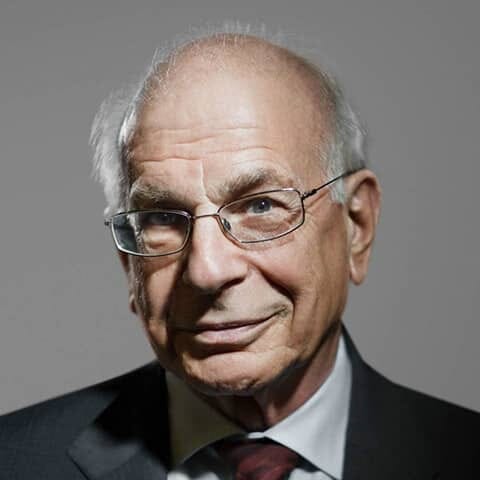
Daniel Kahneman — the psychologist who won the Nobel Prize in Economics and
wrote Thinking, Fast and Slow — was, characteristically, a cautious
recommender. He spent his career demonstrating how easily the mind is fooled,
including his own, and he trusted evidence over enthusiasm; he cited research
far more often than he issued reading lists. That reticence is exactly what
makes the books he did champion worth noticing. They fall into two groups: the
work that formed him, and the work by the generation he helped create.
The formative debt he named most clearly was to Paul Meehl, whose slim 1954
book showing that simple statistical rules routinely beat expert intuition
Kahneman called a hero’s work and returned to for the rest of his life. The
rest are the behavioural economists and psychologists he mentored, argued with,
and admired — Richard Thaler, Cass Sunstein, Sendhil Mullainathan, Daniel
Gilbert — whose books he endorsed by name on their covers. Even his praise for
Nassim Taleb, a frequent sparring partner, was real: he said The Black
Swan changed how he saw the world. Kahneman read, and recommended, the way
he thought — sparingly, and only when the evidence earned it.