Adam Grant’s recommendations trace a single intellectual lineage: the
behavioural-science tradition that insists our intuitions are often wrong and
that evidence, not confidence, should win. At its head is Daniel Kahneman’s
Thinking, Fast and Slow. Grant reveres Kahneman — the story of
Kahneman happily abandoning a belief the moment the data turned against him is
one of Grant’s favourite parables — and Michael Lewis’s The Undoing
Project, on Kahneman and Tversky’s partnership, is the human story behind
that science. Carol Dweck’s Mindset supplies the other pillar: the
idea that abilities can grow, which becomes, in Grant’s own work, the case for
rethinking.
From that root his list branches in two directions. One is work,
culture and belonging — Daniel Coyle’s The Culture Code, which
Grant told readers to "read it immediately," and Marissa King’s Social
Chemistry on networks. The other is rethinking and range — David
Epstein’s Range, which Grant strongly champions for its argument that
breadth beats early specialisation, and Nine Lies About Work, which
attacks comfortable management myths. Threaded through both is his admiration
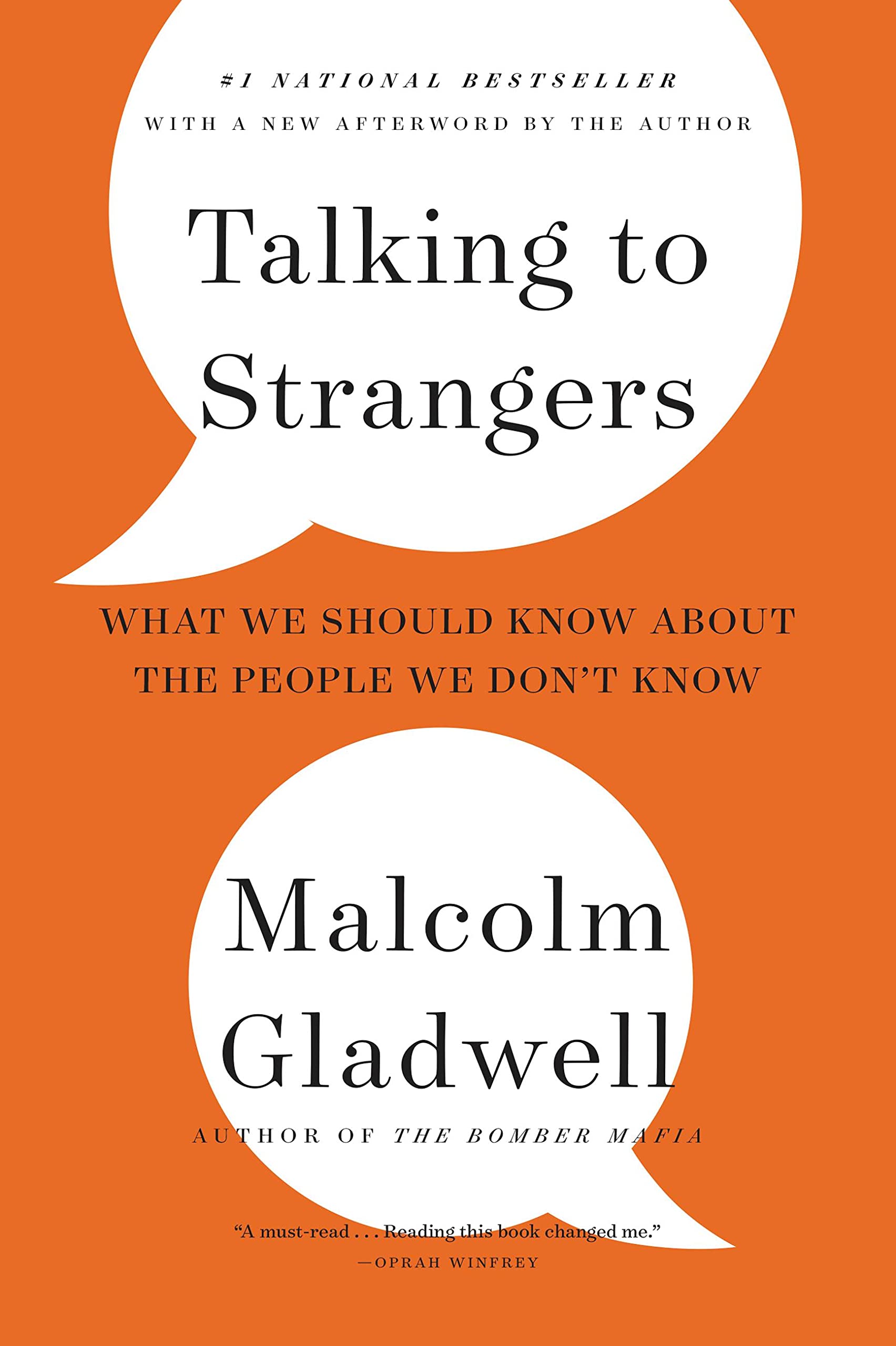
for writers who make social science gripping: Gladwell’s Talking to
Strangers and Outliers, and beyond the reading list, his repeated
praise for Michael Lewis as a storyteller.
What Grant’s reading reveals that an aggregator list cannot is discipline
about his own influence. He recommends so much that the meaningful act is not
praise but selection — the curated list where he deliberately screens
books out. Read that way, his shelf is remarkably coherent: it is the syllabus
of someone who believes the most important skill is the willingness to be
wrong, and who reads, and recommends, in order to keep practising it. Even his
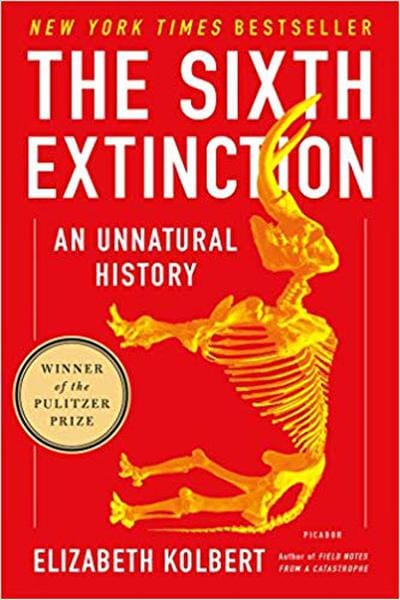
outlier pick — Elizabeth Kolbert’s The Sixth Extinction — fits, a
reminder that the evidence, once you follow it honestly, does not always
flatter us.