Read together, Susan Cain’s books trace a single quiet argument: that the
inner life deserves to be taken seriously, and that literature — more than
any self-help formula — is how we learn to do it. Her reading is a
sanctuary, not a system. That is what makes it so different from the
productivity-and-decision reading lists of many public thinkers: there is no
operating system here, no optimization. There is a child who found refuge in
fantasy novels, an adult who reads to feel more, not to do more.
The arc runs in two movements. The first is Quiet: a research
phase in which Cain read the psychology of temperament — Jerome Kagan on
high reactivity, Elaine Aron on sensitivity — to build the case for
introversion. It is important to be precise about this reading. These were
influences on her work, not personal recommendations; Aron, in fact, blurbed
Quiet, not the reverse. The second movement is Bittersweet,
and it is the more revealing one as a portrait of Cain the reader. Here she
moves from the science of the quiet temperament to the experience
of longing and sorrow — and her sources become poets and mystics. Rumi sits
at the center: she keeps the “Love Dogs” passage — “This longing you express
is the return message” — physically close while she writes. C.S. Lewis’s
The Weight of Glory, with its account of Sehnsucht, gives
the book its intellectual spine, and Leonard Cohen — a musician, not an
author, and so never a book recommendation — supplies its emotional key.
Set against those formative literary loves are her more everyday
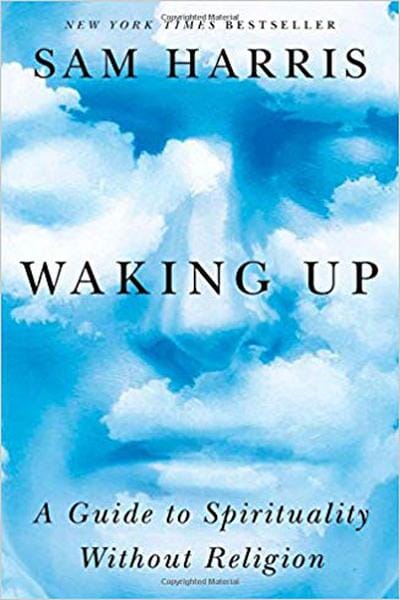
enthusiasms and her public endorsements, and the difference matters. The
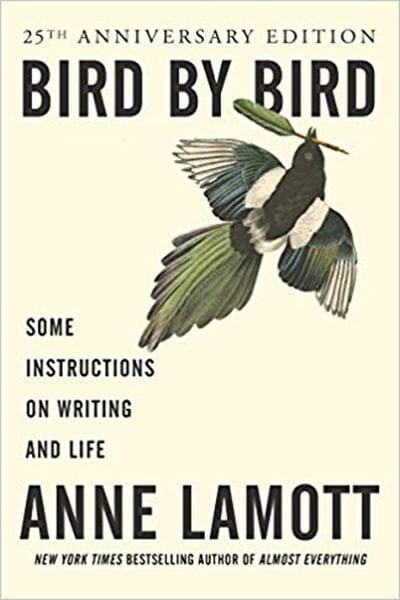
books she loved out loud — Harris’s Waking Up, which opened
meditation to a self-described skeptic, and Lamott’s Bird by Bird,
a companion for anyone who makes things — sit close to her own creative life.
The books she has championed in print — Olga Khazan’s Weird, David
Epstein’s Range, Mitch Prinstein’s Popular, Haemin Sunim’s
Love for Imperfect Things — are honest endorsements, several of them
circling her lifelong subjects of difference, belonging, and the emotional
life, but they are books she praised, not books she has claimed as favorites.
What unites the whole is a sensibility rather than a method: sorrow and
beauty, the bittersweet, treated not as problems to solve but as sources of
connection and creativity.