Read together, the books Maria Popova champions form a single, quietly
insistent question: how do we spend a finite life with attention and meaning?
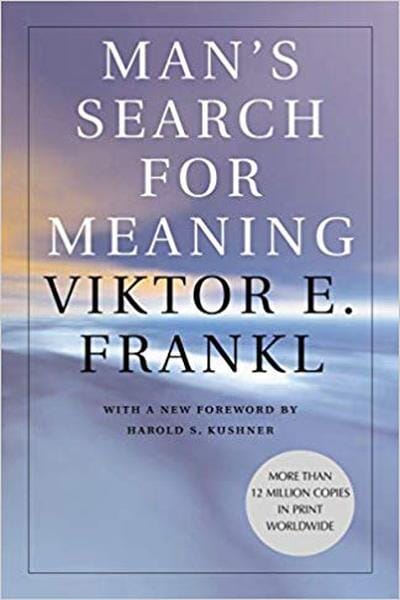
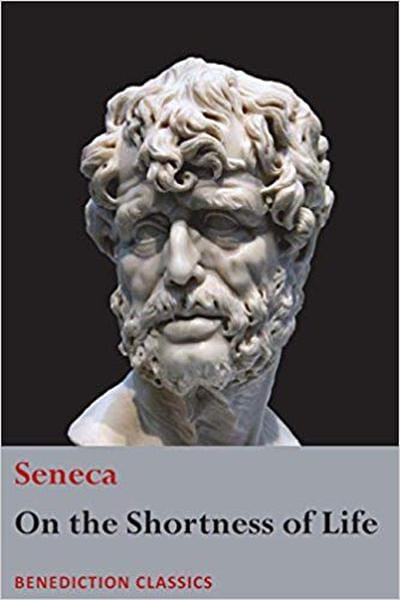
It is why Viktor Frankl’s Man’s Search for Meaning and Seneca’s
On the Shortness of Life sit at the centre of her shelf — one written
in a concentration camp, one two thousand years ago, both arguing that a life
is measured by how fully it is inhabited rather than how long it lasts. Popova
does not read these as self-help; she reads them as the oldest and best
answers to the only question that matters.
Around that centre she gathers the disciplines that make such a life
possible. There is attention: Thoreau’s journals, which she rereads
to re-centre, and Oliver Sacks’s On the Move, a life lived at full
intensity. There is the natural world: Robin Wall Kimmerer’s
Gathering Moss and Edward Abbey’s Desert Solitaire, books
that find the infinite in the overlooked. There is the creative life,
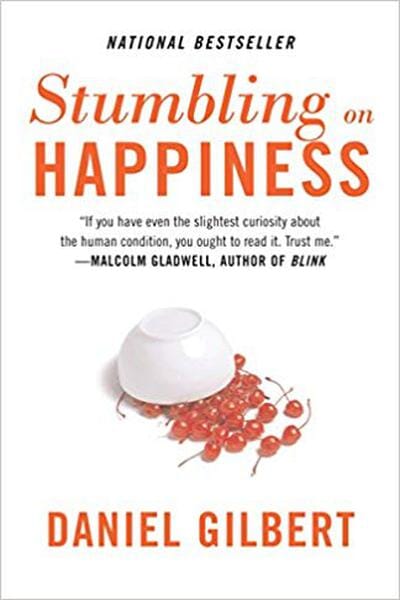
in Dani Shapiro’s Still Writing, and the science of the mind,
in Daniel Gilbert’s Stumbling on Happiness. And there is the hardest
subject of all — how we see each other — in the Baldwin–Mead dialogue A
Rap on Race, which she resurrected as "extraordinarily timely."
What her reading reveals that a flat list cannot is a method: Popova does
not rank books, she connects them, treating each as a doorway into
the others. Her recommendations are not the newest or the most useful but the
most enduring — often old, often out of print, always chosen for how they help
a person pay attention to being alive. To read what Popova champions is to
inherit not a syllabus but a sensibility: reverent, cross-disciplinary, and
unembarrassed by beauty.