
Self-Compassion
Verified
The clearest formative influence on her work — Neff’s research on self-kindness is woven through Brown’s whole framework; the two have co-taught together.
WebsiteSource: Brené Brown — endorsement (self-compassion.org)
Your search did not return any results.
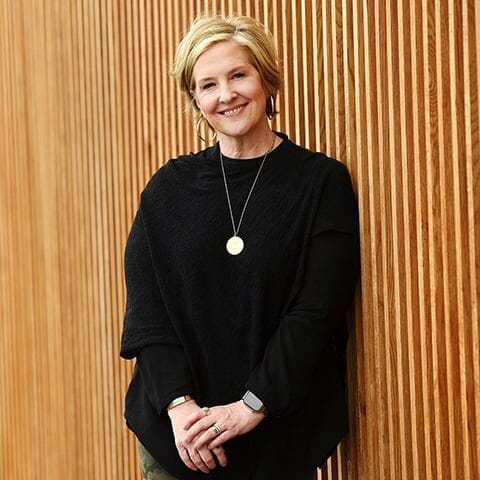
Brené Brown is a research professor who became a storyteller — the author of Daring Greatly, Dare to Lead and Atlas of the Heart, and the host of the Unlocking Us and Dare to Lead podcasts. Her reading is inseparable from her research: two decades studying shame, vulnerability and courage sent her deep into the psychology of self-worth and connection, and the books she recommends most are the ones that shaped that work. Chief among them is Kristin Neff’s Self-Compassion, whose research on treating oneself kindly is woven through Brown’s whole framework, and the work of Harriet Lerner, whom Brown calls one of her great heroes.
Because she interviews authors for a living, Brown is careful — and so is this page — about the line between a guest and a genuine recommendation. The books here are the ones she has championed beyond a single conversation: named on her own blog as personal favourites, praised in cover blurbs she wrote, posted about on her own channels, or built into dedicated podcast specials. The result is a warm, human shelf that runs from hard research on self-compassion to the craft of apology and repair, to memoir and spirituality — J. Ruth Gendler’s poetry, Henri Nouwen’s letters, Michelle Obama’s Becoming. Brown reads, as she works, for the things that help people show up braver and more whole.
Brené Brown’s recommendations map the emotional architecture of her own research. At the foundation is self-compassion. Kristin Neff’s book of that name is the clearest formative influence on the list — the science that you cannot shame yourself into courage, and that self-kindness is the ground wholeheartedness grows from. Everything else builds on that base: if the first task is to be gentle with yourself, the next is to be brave with other people, and that is where Harriet Lerner comes in. Lerner is the most-cited author on Brown’s shelf — The Dance of Anger on anger as information, Why Won’t You Apologize? on the near-lost art of real repair, Marriage Rules on the daily work of connection. Brown devoted a two-part podcast special to the apology book and says it changed her.
From that relational core the list opens outward into meaning. Henri Nouwen’s Love, Henri and Lynne Twist’s The Soul of Money bring a spiritual, values-first lens; J. Ruth Gendler’s The Book of Qualities, which Brown calls magical, gives feelings a poetic vocabulary — a direct ancestor of her own project of naming emotions in Atlas of the Heart. And a thread of women’s stories and courage — Michelle Obama’s Becoming, Melinda French Gates’s The Moment of Lift — turns the inner work outward into leadership and lifting others.
What her reading reveals that a flat list cannot is that Brown recommends from the same place she teaches: the belief that vulnerability is not weakness but the birthplace of courage. There is nothing cynical or strategic on the shelf. It is unashamedly about feelings, repair, meaning and worth — the unglamorous interior work most success literature skips. Even her parenting picks (Jane Nelsen, T. Berry Brazelton) are of a piece: books about meeting a child, or a self, with understanding rather than control. To read what Brown recommends is to get the emotional syllabus behind the research — the reading that taught her, and might teach anyone, how to dare greatly.
From being gentle with yourself to being brave with others — Harriet Lerner on anger as information rather than a threat.
And the repair that follows the anger — Lerner on the near-lost art of a real apology, the subject of a Brown podcast special.
Underneath it all, a vocabulary for what we feel — Gendler’s poetry, a direct ancestor of Brown’s own Atlas of the Heart.
And the inner work turned outward — Melinda French Gates on courage as lifting others, the point of the whole project.
The clearest formative influence on her work — Neff’s research on self-kindness is woven through Brown’s whole framework; the two have co-taught together.
WebsiteSource: Brené Brown — endorsement (self-compassion.org)
Lerner is one of Brown’s self-described great heroes; this classic on anger as information is a book she says she has bought for nearly everyone she knows.
WebsiteSource: Brené Brown — Unlocking Us podcast with Harriet Lerner
The book Brown built a two-episode podcast special around — Lerner on the near-lost art of a genuine apology.
“Turns out that most of us are pretty terrible apologizers—this really changed me.”WebsiteSource: Brené Brown — Unlocking Us podcast special (2 parts)

A personal favourite she named on her own blog — Gendler personifies feelings as characters, a poetic ancestor of Brown’s Atlas of the Heart.
“I’m so glad I found this book. It was published 25 years ago and it’s magical.”BlogSource: Brené Brown — “Book Fair” on her own blog
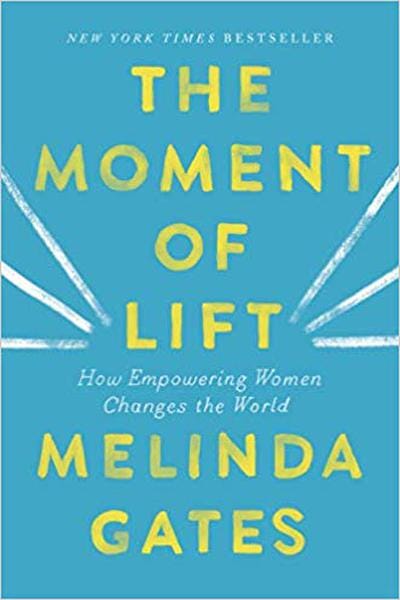
Both a substantive Brown blurb and a dedicated podcast episode — Gates on lifting women and communities, courage turned outward.
“An urgent call to courage. It changed how I think about myself, my family, my work, and what’s possible in the world.”WebsiteSource: Brené Brown — Unlocking Us podcast with Melinda French Gates

More Lerner — a practical manual for couples that Brown praised warmly on her own channels.
“This is the marriage book we’ve been waiting for!”TweetSource: Brené Brown — verified post (X / Facebook)

Michelle Obama’s memoir — a story of courage and becoming whole that Brown enthused about from an advance copy.
“Good for my heart, my head, and my soul.”WebsiteSource: Brené Brown — verified social post

Twist on a values-first relationship with money — a spiritual, sufficiency-minded book squarely in Brown’s wheelhouse.
“A life-changing read… turns everything we think we know about money upside down… It’s the book we all need right now.”BookSource: Brené Brown — cover endorsement

Letters of spiritual direction from the beloved priest-writer — Brown calls them quiet prayers that will live in her heart.
WebsiteSource: Brené Brown — endorsement (henrinouwen.org)
A featured pick on her own blog on courage and creativity — she handed it to her husband saying it could change the way they live.
BlogSource: Brené Brown — “Book Fair” on her own blog
A favourite line she returns to — “when you’re on the right path the universe conspires to help you” — Coelho’s fable of following your calling.
TweetSource: Brené Brown — quoted approvingly on X
Forleo’s practical, encouraging guide to getting unstuck — a warm Brown blurb for a fellow teacher of courage.
“Smart, funny, and as brilliant as it is straightforward. LOVED it!”BookSource: Brené Brown — cover endorsement (Penguin)

The series she recommends to new parents — discipline as teaching, not punishment; carded once for the series rather than its four sub-titles.
WebsiteSource: Brené Brown — parenting recommendation
Brazelton on child development — Brown’s point being that you can’t guide children without understanding what’s happening developmentally.
WebsiteSource: Brené Brown — parenting recommendationHer strongest recommendations include Kristin Neff’s Self-Compassion, Harriet Lerner’s The Dance of Anger and Why Won’t You Apologize?, J. Ruth Gendler’s The Book of Qualities, Melinda French Gates’s The Moment of Lift and Michelle Obama’s Becoming — books she has championed on her blog, in cover blurbs, on her podcasts, or on her own social channels.
Kristin Neff’s work on self-compassion is the clearest influence — it runs through Brown’s framework for shame resilience and wholehearted living. She also cites Harriet Lerner, whom she calls one of her great heroes, on anger, apology and connection.
Not by itself. Brown interviews many authors, and a guest appearance alone is not an endorsement. This page includes a title only when she also championed it independently — a cover blurb, a personal blog pick, or a post of her own — as she did for Melinda French Gates’s The Moment of Lift and Harriet Lerner’s books.
She avoids ranking, but she has singled out J. Ruth Gendler’s The Book of Qualities as “magical,” Harriet Lerner’s books as among her heroes’ work, and Kristin Neff’s Self-Compassion as foundational to her own. Her recommendations lean toward courage, repair and meaning rather than strategy.
Yes. For new parents she points to Jane Nelsen’s Positive Discipline series and T. Berry Brazelton’s Touchpoints — books about meeting a child with understanding of their development rather than control, which mirrors her larger message about empathy and connection.