logo
Elon Musk, entrepreneur and technology, Recommending BestBooks

Elon Musk's Book Recommendations – The Verified Reading List, Sources, and What It Reveals

entrepreneurtechnology
64

Books

Elon as a reader

Elon Musk reads the way an engineer prototypes: fiction to model whole civilizations, and technical nonfiction as a literal instruction manual for building in the real world. The reading that recurs in his own words begins in a South African childhood spent inside books — he has said he read through much of the local library — and specifically inside science fiction. Asimov’s Foundation, Tolkien’s The Lord of the Rings, Heinlein’s novels and Douglas Adams’s The Hitchhiker’s Guide to the Galaxy are the titles he returns to, and he frames them not as escapism but as arguments about how a technological civilization survives, stalls, or falls.

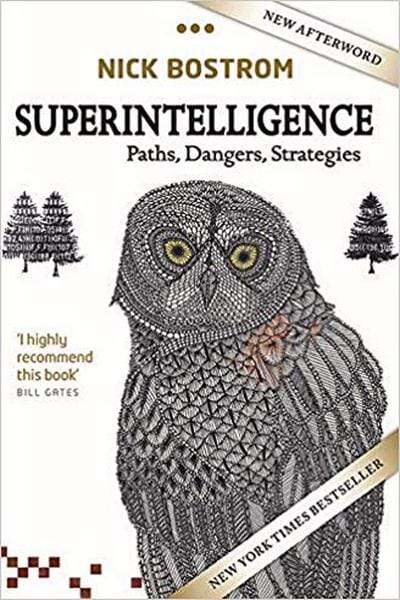
From there his reading splits into practical channels. Teaching himself rocketry, he leaned on working engineering texts — Ignition!, Huzel & Huang’s propulsion manual, J.E. Gordon’s Structures — the kind of books that answer "how does this actually work." From roughly 2013 he became a public recommender on social media, repeatedly urging people toward books on artificial-intelligence risk (Superintelligence, Life 3.0, Human Compatible) and re-recommending E.M. Forster’s prophetic short story The Machine Stops across years. A quieter thread runs through biographies and histories of ambitious builders and rulers — Franklin, Catherine the Great — read, by his own account, as studies of how exceptional things get made. The result is a narrower, more coherent reading profile than the sprawling lists that circulate online: speculative futures on one shelf, working manuals on the other.

Elon's reading themes

  • Science Fiction & Civilizational FuturesFoundation, Dune, Heinlein, Douglas Adams, E.M. Forster and the Culture as models of how civilizations rise or fall.
  • AI Risk & Machine IntelligenceA documented multi-year cluster: Superintelligence, Life 3.0 and Human Compatible.
  • Engineering & Technical Self-EducationStructures, Ignition! and Huzel & Huang — reading as literal engineering training.
  • Builders, Leaders & AmbitionBenjamin Franklin, Catherine the Great and Twelve Against the Gods as studies of exceptional lives.
  • Science, Evidence & InstitutionsMerchants of Doubt on how manufactured doubt distorts public understanding of science.
  • Unexpected Literary RangeThe Fault in Our Stars and other picks that cut against the engineer-in-chief image.

What Elon's reading reveals

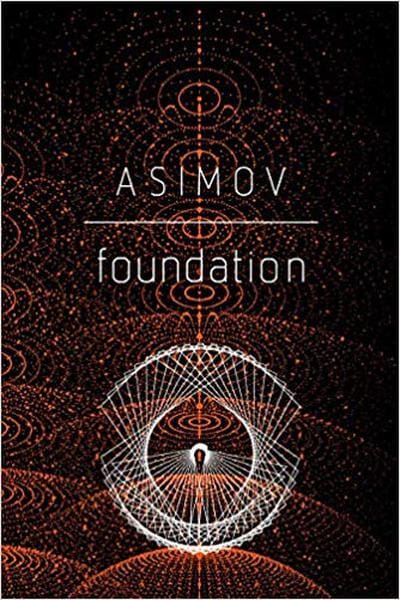
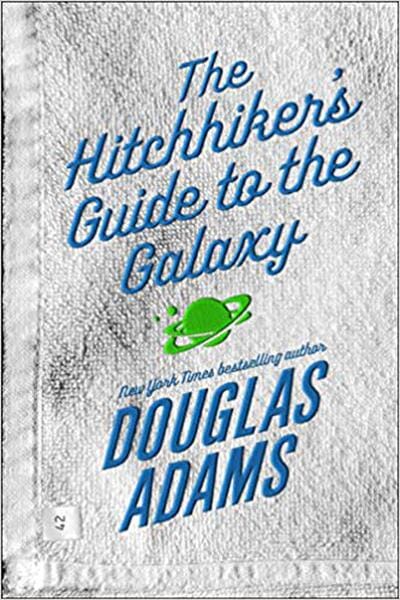
Read together, Elon Musk’s books resolve into a single method: he treats fiction as civilizational scenario-planning and nonfiction as an instruction manual. The clearest evidence is his own account of Asimov’s Foundation. He does not describe it as a favourite story but as a lesson in strategy — that one should "take the set of actions that are likely to prolong civilization, minimize the probability of a dark age." That is a reader mining fiction for operating principles, not nostalgia. Douglas Adams supplies the complementary half: Musk credits The Hitchhiker’s Guide to the Galaxy with the idea that "the question is harder than the answer," a comic cosmology he has turned into a working philosophy of problem-framing.

That framing explains why the engineering books matter so much here. Ignition!, Huzel & Huang’s liquid-propellant manual and Structures are not trophies; they are the texts of a self-taught builder moving from asking the right question to physically answering it. The artificial-intelligence recommendations form the most clearly documented pattern of all — Superintelligence (2014), Life 3.0 (2017) and Human Compatible (2019) are three separate, dated public endorsements across five years, a genuine multi-year preoccupation rather than a one-off. Alongside them sit biographies of ambitious builders and rulers — Franklin, Catherine the Great, and the exceptional lives of Twelve Against the Gods — read as models of how outsized things get done.

What keeps the portrait honest is what complicates it. His biographical reading includes failure as well as triumph: he has spoken about reading on Howard Hughes precisely as a cautionary tale, a warning about where obsessive ambition can end. His fiction shelf includes an unexpected soft spot — John Green’s The Fault in Our Stars — that no persona-driven list would predict. And much of what the internet files under "books Musk recommends" turns out to be a single series stretched across every sequel, an author’s name pinned to one title, or a book he read and criticized rather than endorsed. Stripped back to what he actually said, the reading is smaller, stranger, and far more revealing: a mind that reads to simulate the future and then reaches for the manual to build it.

How Elon's reading evolved

  1. Childhood & adolescenceScience fiction as a worldviewThe Lord of the Rings, Foundation, Heinlein and The Hitchhiker’s Guide to the Galaxy; by his account he even read Das Kapital critically at fourteen.
  2. ~2002–2012Early technical self-educationTeaching himself rocketry from Ignition! and Huzel & Huang’s propulsion manual, alongside first biographies (Franklin, Catherine the Great).
  3. 2013–2020The public-recommendation yearsHis recommendations became far more visible on social media: Merchants of Doubt, the AI-risk cluster, The Machine Stops, the Culture novels and Twelve Against the Gods.
  4. 2021–presentRecurring themesRe-recommending The Machine Stops, the continuing Heinlein influence behind the name "Grok," and a public reversal of an old recommendation of Sam Harris’s Lying.

How the books connect

  1. From Asimov’s galaxy-spanning question of how to shorten a dark age to Herbert’s warning about handing too much to machine intelligence — two futures Musk has named directly.

  2. Iain M. Banks completes the trio of civilizational futures; Musk is a devoted Culture reader (SpaceX even named its droneships after Culture ships), and this is the title he says to start with.

  3. Douglas Adams reframes the whole enterprise: the hard part is asking the right question — an editorial bridge from imagining futures to engineering them.

  4. Once the question is framed, the answer has to be built; J.E. Gordon is where the reading turns into first-principles engineering.

  5. The literal chemistry of making rockets fly — the working manual behind the self-taught engineer.

  6. The same first-principles lens turned on risk: what happens when the machines we build start to think.

  7. From systems to the people who build them — biography as a study of ambition, invention and how exceptional things get made.

Elon's reading list20 books

1Foundation — book cover

Foundation

Isaac Asimov

Verified

A formative influence he has cited for decades and the representative entry for Asimov’s Foundation series — read as strategy, not nostalgia.

The lesson I drew from that is you should try to take the set of actions that are likely to prolong civilization, minimize the probability of a dark age and reduce the length of a dark age if there is one.
WebsiteSource: Rolling Stone – “Elon Musk: The Architect of Tomorrow” (2017)

Frequently asked questions

What is Elon Musk's favorite book?

He has repeatedly named two: The Lord of the Rings, which he once called his favourite book, and The Hitchhiker’s Guide to the Galaxy, whose author, Douglas Adams, he calls his favourite philosopher. Both are childhood science-fiction reads he still frames as formative.

What science fiction books does Elon Musk recommend?

The science fiction most tied to him in his own words is Asimov’s Foundation, Herbert’s Dune, Heinlein (especially The Moon Is a Harsh Mistress and Stranger in a Strange Land), Douglas Adams’s The Hitchhiker’s Guide to the Galaxy, E.M. Forster’s short story The Machine Stops, and Iain M. Banks’s Culture novels — he suggests starting with The Player of Games.

What books did Elon Musk read to learn about rockets?

To teach himself rocketry he leaned on working engineering texts: Ignition! by John D. Clark, an informal history of liquid rocket propellants; Huzel & Huang’s Modern Engineering for Design of Liquid Propellant Rocket Engines; and, for structural intuition, J.E. Gordon’s Structures.

What AI books does Elon Musk recommend?

He has publicly recommended three across five years: Nick Bostrom’s Superintelligence (2014), Max Tegmark’s Life 3.0 (2017) and Stuart Russell’s Human Compatible (2019). Together they form his most clearly documented reading pattern — a sustained concern with the risks of advanced AI.

Did Elon Musk recommend Foundation?

Yes. Asimov’s Foundation is the single best-documented literary influence he has, cited over many years. He frames it less as a favourite story than as a lesson in acting to prolong civilization and shorten any dark age.

How many books has Elon Musk actually recommended?

Fewer than the long internet lists suggest. Many of those lists expand one series into every sequel or blur books he recommended with books he merely read or was influenced by. Counting only titles traceable to something he actually said, the well-supported core is around twenty — a mix of explicit recommendations, stated favourites, and clear formative influences.

Last verified: July 2026Edited by: Inteldo Editorial Team