Sam Altman’s recommendations describe a worldview more than a genre: a
conviction that ambitious building and clear scientific thinking compound into
a better future. At the philosophical core is David Deutsch’s The Beginning
of Infinity, the book he calls his favourite. Its thesis — that good
explanations unlock unlimited progress — is effectively Altman’s operating
optimism, and he has tied it directly to how humanity gets "from here to AGI."
Its natural companion is Nick Bostrom’s Superintelligence, which
Altman recommended in his own essay on machine intelligence as the best thing
written on the subject; together they frame the upside and the risk of the
technology his company is building.
The second, larger cluster is the builder’s toolkit. Peter Thiel’s
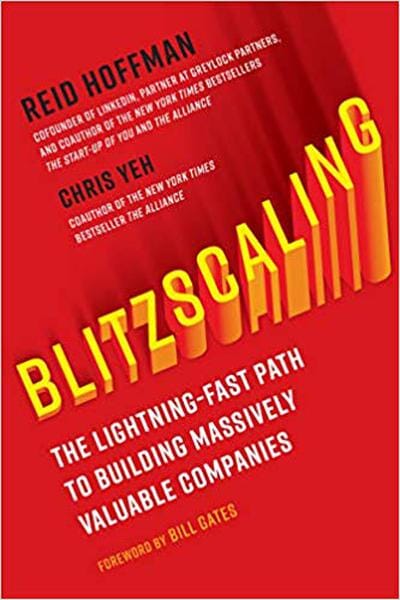
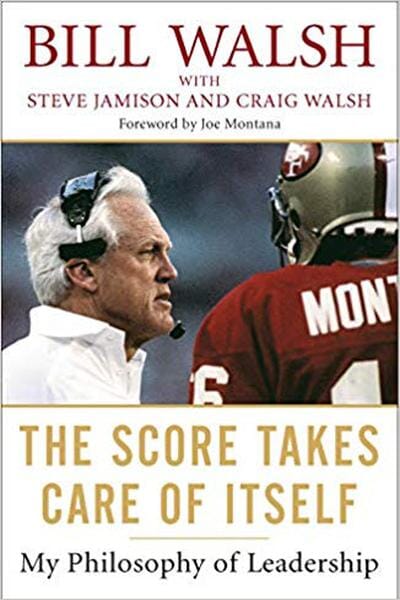
Zero to One, Reid Hoffman’s Blitzscaling, Bill Walsh’s
The Score Takes Care of Itself and Jack Welch’s Winning are
the startup-and-scaling canon he pointed founders toward — how to build
something singular, then grow it without losing the standard of performance
that made it work. Around them sits an unusually science-heavy shelf for a tech
executive: Newton’s Principia, the graduate-level Molecular
Biology of the Cell, Jonathan Weiner’s The Beak of the Finch —
evidence of someone who wants to understand systems from first principles.
What Altman’s reading reveals that a copied "recommends" list cannot is the
shape of his optimism. He does not read for comfort or for the classics as
status; he reads for leverage — the explanation, the playbook, the model that
lets a small group do something outsized. Even his fiction and history picks
(Alice Munro, The Endurance, Dealers of Lightning) lean
toward endurance, invention and human capacity under pressure. It is the
reading list of someone trying to build the future and looking, everywhere, for
proof that it is buildable.