logo
Peter Thiel, entrepreneur and technology and venture capitalist and author, Recommending BestBooks

Peter Thiel’s Book Recommendations – Girard, the Future, and What They Reveal

entrepreneurtechnologyventure capitalistauthor
4.60

Average rating

19

Books

Peter as a reader

Peter Thiel — co-founder of PayPal and Palantir, and author of Zero to One — reads like the philosophy student he trained to be. The defining fact of his reading life is a single teacher: René Girard, under whom Thiel studied at Stanford in the 1980s and whose theory of mimetic desire — that human wanting is imitative, and that societies discharge the resulting rivalry through scapegoats — became the lens through which Thiel sees competition, markets and culture. He calls Girard’s Things Hidden Since the Foundation of the World a masterwork, spoke at Girard’s memorial, and built the anti-competition argument of Zero to One on Girardian foundations.

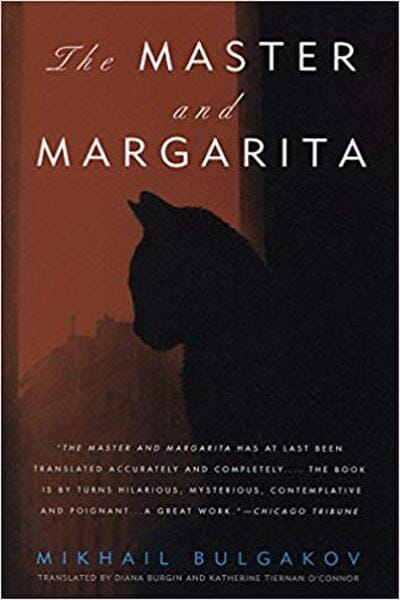
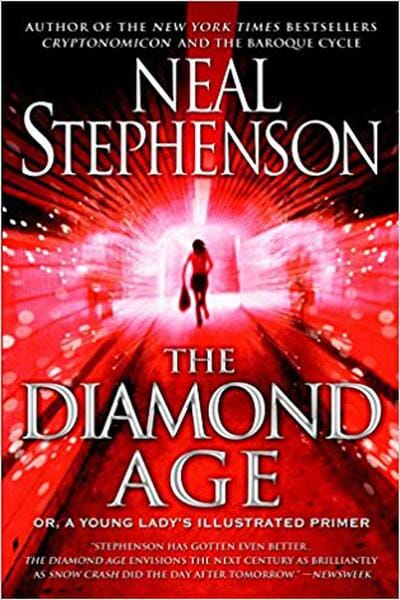
Around that intellectual core sits an unusually eclectic shelf. Thiel is a contrarian who reads for the future and for first principles: The Sovereign Individual, which he says influenced him tremendously when he started PayPal and whose 2020 edition he prefaced; science fiction and speculative history that "predict the future," from Bacon’s New Atlantis to Stephenson’s The Diamond Age. And beneath the futurism runs a deep literary and mythic streak — Bulgakov’s The Master and Margarita, and above all Tolkien’s The Lord of the Rings, which he reread obsessively as a boy and after which he named a string of companies (Palantir, Mithril, Valar). Thiel reads to find the idea everyone else has missed.

Peter's reading themes

  • Mimetic Theory & Human NatureImitative desire and scapegoating — René Girard, his defining influence.
  • Books That Predict the FutureSpeculative works read as forecasts — Sovereign Individual, New Atlantis, Diamond Age.
  • Contrarian & First-Principles ThinkingReading to escape consensus and find the non-obvious “secret.”
  • Myth & LiteratureThe imaginative and moral core — Tolkien and Bulgakov.
  • History’s Extremes & RiskThe twentieth century at its darkest and its boldest — Bloodlands, The Right Stuff.
  • Technology & Radical LongevityThe far frontier of what science makes possible — 100 Plus.

What Peter's reading reveals

Peter Thiel’s recommendations orbit a single thinker. René Girard is not one influence among many; he is the operating system. Things Hidden Since the Foundation of the World and Resurrection from the Underground (Girard on Dostoevsky) supply the theory of mimetic desire and scapegoating that Thiel applies to everything — which is why he argues, in Zero to One, that competition is for losers: rivals locked in imitation destroy each other’s margins, while the escape is to build something singular that no one else is copying. To read Thiel’s list is to watch a businessman apply a French literary theorist’s ideas to venture capital.

From that root grow two branches. The first is the future. Thiel reads speculative books as forecasts, not entertainment: The Sovereign Individual on the decline of the nation-state (formative to his PayPal-era thinking about digital money), Bacon’s four-century-old New Atlantis, Stephenson’s The Diamond Age on AI and nanotech, and Tom Wolfe’s The Right Stuff as a meditation on steeling yourself to take risks. The second is the extremes of the twentieth century and of myth — Timothy Snyder’s Bloodlands on mass murder between Hitler and Stalin, and the fantasy and literature (Tolkien, Bulgakov) that shaped his moral imagination.

What Thiel’s reading reveals that a flat list cannot is a contrarian’s method: he reads to escape consensus. Even Atlas Shrugged appears not as a libertarian badge but as a book he reckoned with and then partly rejected — he has called Rand a "merely half-great writer" whose heroes were fake. The through line is a search for the non-obvious truth, the "secret" that Zero to One urges founders to find: whether in a banned Soviet novel, a Renaissance utopia, or the anthropology of desire, Thiel reads for the idea that the crowd has not yet caught up to.

How Peter's reading evolved

  1. 1980sStudying under GirardAt Stanford, Thiel studies with René Girard; mimetic theory becomes the lens for his entire worldview.
  2. 1998–2002PayPalThe Sovereign Individual’s thesis on the decline of the nation-state shapes his thinking about digital money.
  3. 2004–2014Investing & Tolkien namesHe founds Palantir, Mithril and Valar — company names drawn from his lifelong love of The Lord of the Rings.
  4. 2014–presentZero to OneHis book synthesises Girardian anti-competition and contrarian thinking; he keeps prefacing and recommending the books behind it.

How the books connect

  1. Girard applies mimetic theory to Dostoevsky — the psychology of imitation, envy and rivalry Thiel reads into competition itself.

  2. The individualist counter-vision Thiel read young — and later pointedly critiqued as half-great, its heroes fake.

  3. The future those forces produce — the decline of the nation-state, a book Thiel says shaped his thinking when he started PayPal.

  4. And the myth beneath his imagination — Tolkien, whose names Thiel gave to a string of his companies.

Peter's reading list13 books

Frequently asked questions

Who most influenced Peter Thiel?

René Girard, under whom Thiel studied at Stanford. Girard’s theory of mimetic desire — that we imitate each other’s wants, and that rivalry is discharged through scapegoats — is the lens Thiel applies to competition and markets, and the intellectual backbone of Zero to One.

What is Peter Thiel’s favourite novel?

Asked directly, he named Mikhail Bulgakov’s The Master and Margarita. He is also a lifelong devotee of J.R.R. Tolkien’s The Lord of the Rings, which he reread obsessively as a boy and after which he named companies including Palantir, Mithril and Valar.

What books does Peter Thiel recommend about the future?

His "books that predict the future" list features The Sovereign Individual, Neal Stephenson’s The Diamond Age, Francis Bacon’s New Atlantis and Tom Wolfe’s The Right Stuff — speculative and historical works he reads as forecasts rather than entertainment.

Does Peter Thiel recommend Atlas Shrugged?

Not as a straight endorsement. Thiel read Ayn Rand young and found her diagnosis of the world compelling, but in Zero to One he explicitly critiques her, calling her a "merely half-great writer" whose heroes were fake. This page lists it as a book he engaged with, not one he simply recommends.

Why are Peter Thiel’s companies named after Lord of the Rings?

Because he is a lifelong Tolkien superfan. Palantir (the seeing-stones), Mithril, Valar and other Thiel ventures take their names from The Lord of the Rings — a book he has called the classic he always gives.

Last verified: July 2026Edited by: Inteldo Editorial Team