logo
Reid Hoffman, entrepreneur and technology and venture capitalist and author, Recommending BestBooks

Reid Hoffman’s Book Recommendations – The Philosopher-Entrepreneur’s Reading List

entrepreneurtechnologyventure capitalistauthor
4.43

Average rating

30

Books

Reid as a reader

Reid Hoffman — co-founder of LinkedIn, partner at Greylock, and host of Masters of Scale — is the rare Silicon Valley figure who came to technology through philosophy. He earned a master’s in philosophy at Oxford as a Marshall Scholar and studied Symbolic Systems at Stanford, and he names Ludwig Wittgenstein among the handful of thinkers who shaped him most; Wittgenstein’s idea that language is central to who we become, Hoffman has said, informed how he thought about designing LinkedIn. His reading is that of a systems thinker who happens to build companies.

The other pillar of his shelf is Robert Wright, of whom Hoffman is an unabashed superfan. Across Nonzero, The Moral Animal and The Evolution of God, Wright develops the idea of "non-zero-sum" dynamics — that cooperation, not just competition, is the arc of human history — and that logic is the intellectual spine of Hoffman’s whole worldview about networks, alliances and scale. He thought so highly of it that he personally nominated Wright for a major philosophy prize. Around those anchors sit the startup canon he genuinely recommends (Thiel, Doerr, Newport), his science and science-fiction loves (Mukherjee’s The Gene, Stephenson, Tolkien), and a consistent throughline: reading to understand how people cooperate at scale.

Reid's reading themes

  • Non-Zero-Sum ThinkingCooperation as the arc of history — Robert Wright, the keystone of his shelf.
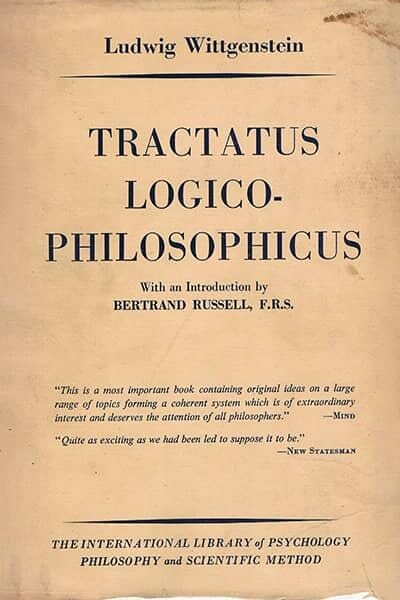
  • Philosophy & LanguageThe limits of language and thought — Wittgenstein’s Tractatus.
  • Evolution & Human NatureThe biology beneath our social instincts — The Moral Animal, The Gene.
  • Building & ScalingThe startup canon he genuinely recommends — Zero to One, OKRs, high growth.
  • Career & CraftHow to build a career worth having — So Good They Can’t Ignore You.
  • Journeys & Power in FictionCooperation and the corruption of power — Tolkien and Stephenson.

What Reid's reading reveals

Reid Hoffman’s recommendations are unusually coherent for a venture capitalist because they rest on a single philosophical idea: that human progress is driven by non-zero-sum cooperation. The idea comes straight from Robert Wright, the author Hoffman champions above all others. Nonzero argues that history bends toward greater cooperation as the payoff from working together grows; The Moral Animal supplies the evolutionary psychology beneath our social instincts; The Evolution of God extends it to religion. Read together they are the theory behind LinkedIn, behind Hoffman’s writing on alliances and networks, and behind his optimism that technology can enlarge the pie rather than just divide it. He nominated Wright for a philosophy prize; on Hoffman’s shelf, Wright is the keystone.

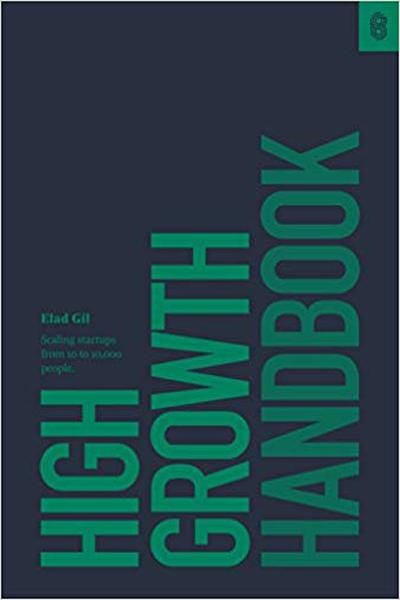
Beneath that sits the philosopher’s training. Wittgenstein’s Tractatus Logico-Philosophicus — a book about the limits of language and thought — is the formative text Hoffman returns to, and he traces his instinct that language shapes identity (and therefore product design) back to it. From those two foundations his more practical picks follow naturally: the startup canon he actually recommends — Peter Thiel’s Zero to One, John Doerr’s Measure What Matters, Elad Gil’s High Growth Handbook — and the career philosophy of Cal Newport’s So Good They Can’t Ignore You, all of which treat building as a cooperative, compounding game.

What Hoffman’s reading reveals that a flat list cannot is how deliberately he reasons from first principles up to tactics. Most investors recommend business books; Hoffman recommends the philosophy and evolutionary science that, for him, explain why the business books work. Even his fiction — Stephenson’s Snow Crash, Tolkien’s The Lord of the Rings, the book he says he has reread most — is about journeys, cooperation and the corruption of power. It is the reading list of someone who treats network effects not as a growth tactic but as a theory of human destiny, and who found that theory in books long before he built it into a company.

How Reid's reading evolved

  1. Oxford & StanfordThe philosopherA Marshall Scholar in philosophy at Oxford and a Symbolic Systems student at Stanford; Wittgenstein becomes a formative influence.
  2. 1997–2003PayPal & LinkedInNon-zero-sum, network thinking — the Robert Wright worldview — shapes LinkedIn’s design and his theory of professional networks.
  3. 2009–2018Investor & authorAt Greylock he backs and recommends the startup canon; his own books apply network thinking to careers and scaling.
  4. 2017–presentMasters of Scale & AIHis podcast and later AI writing keep returning to cooperation and human destiny — the Robert Wright throughline.

How the books connect

  1. From the philosophy of language to the logic of history — Robert Wright on why cooperation, not just competition, drives human progress.

  2. Wright again, on the evolutionary roots of the social instincts that make that cooperation possible.

  3. From why we cooperate to what we build — his friend Peter Thiel on creating something singular and new.

  4. And then scaling it — the operator’s manual for the blitzscaling Hoffman preaches, a book he endorsed.

Reid's reading list12 books

Frequently asked questions

What most influenced Reid Hoffman as a thinker?

Two things above all: his philosophy training — he names Ludwig Wittgenstein among his formative influences — and the writer Robert Wright, whose idea of non-zero-sum cooperation as the engine of human progress underlies Hoffman’s whole worldview about networks and scale.

Who is Reid Hoffman’s favourite author?

Robert Wright. Hoffman is a self-described superfan of Wright’s Nonzero, The Moral Animal and The Evolution of God, and thought so highly of his work that he personally nominated Wright for the Berggruen Prize in philosophy.

What is Reid Hoffman’s most-read book?

J.R.R. Tolkien’s The Lord of the Rings. Hoffman has said it is the book he has most often read, drawn to its hero’s journey, its theme of cooperation across differences, and its warning about the corruption of power.

What startup books does Reid Hoffman recommend?

Peter Thiel’s Zero to One, John Doerr’s Measure What Matters and Elad Gil’s High Growth Handbook, among others — the practical canon of building and scaling that complements his own writing on blitzscaling and the start-up of you.

Does Reid Hoffman recommend his own books?

This page does not list them. Hoffman co-authored The Start-up of You, The Alliance and Blitzscaling, but those are his own work rather than his recommendations, so they are excluded in favour of the books by others that shaped or are endorsed by him.

Last verified: July 2026Edited by: Inteldo Editorial Team