What Mark Zuckerberg's reading reveals is a founder using books as
intellectual infrastructure. A Year of Books was not a vanity list;
it was a curriculum, and its recurring subject is power and
knowledge — how they are distributed, how they shift, and how a network
changes both. His very first pick, Moisés Naím's The End of Power,
argues that power is leaking away from large institutions toward individuals
— a thesis that describes the platform Zuckerberg himself built. From there
the list circles the same question from different altitudes: Henry Kissinger's
World Order on power between states, Michael Chwe's Rational
Ritual on the “common knowledge” that coordinates crowds, and Ibn
Khaldun's The Muqaddimah on the long rise and fall of civilisations.
A second thread is evidence-based optimism, the same worldview
that runs through Bill Gates's shelf — and the overlap is not a coincidence.
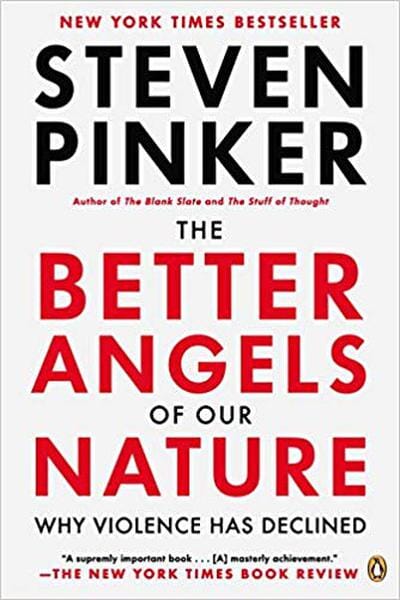
Pinker's The Better Angels of Our Nature, Ridley's The Rational
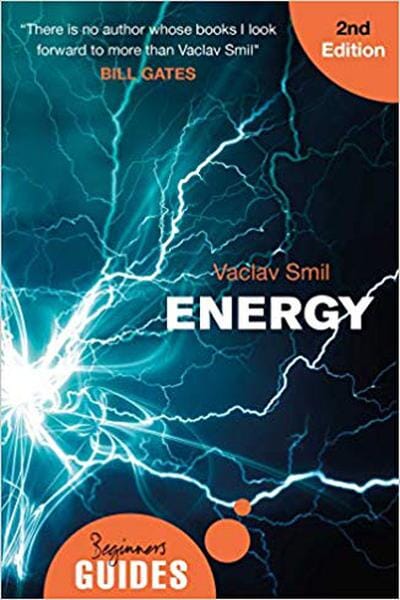
Optimist and Genome, Vaclav Smil on energy, Eula Biss's On
Immunity: these make the empirical case that, measured honestly, life is
getting better, and that science and exchange are why. Against that he sets a
conscience thread — Michelle Alexander's The New Jim Crow, Gang
Leader for a Day, Portfolios of the Poor — books about the
people the optimistic aggregates leave out.
The surprise is how much of the list is about the limits of any single
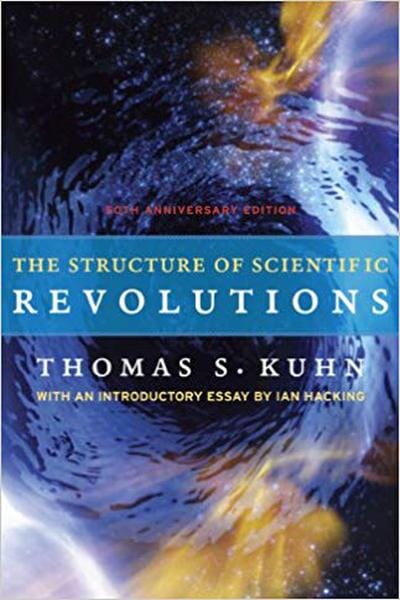
worldview. He reads Thomas Kuhn on how science lurches forward in paradigm
shifts rather than smooth progress, and David Deutsch's The Beginning of
Infinity on explanation as the engine of unlimited possibility, then
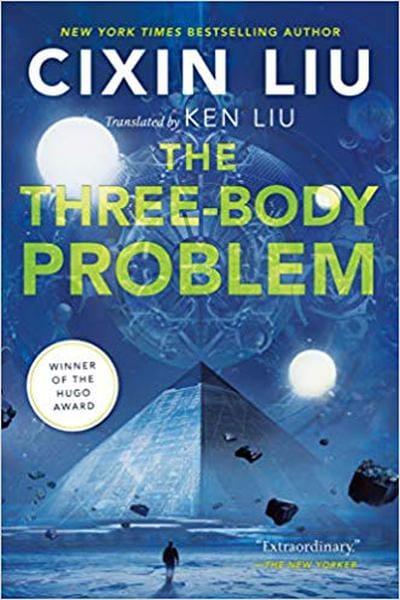
breaks his own rule with science fiction — Liu Cixin's The Three-Body
Problem, Iain Banks's The Player of Games — as a way of
imagining where a technological civilisation might be heading. Read together,
Zuckerberg's books are less a list of favourites than the working notes of
someone trying to reason clearly about scale, coordination and progress — the
exact problems his company forced on the world.