Read together, Barack Obama's recommendations make an argument about what
reading is for. In his own account, fiction is an empathy engine: a
way to "get in somebody else's shoes," to hear, as he put it, "the truths
under the surface of what we argue about every day." That is the thread that
makes a president's reading list look less like credentialing and more like a
practice — one he has kept up in public for well over a decade.
Two writers form its conscience. Toni Morrison — Song of Solomon,
which he called "not just pain, but … joy and glory and mystery" — and
Marilynne Robinson, whose Gilead he loved enough to interview her
about, stand for fiction as moral perspective. Around them runs the most
personal thread in his reading: African American literature and history as a
continuous line — The Warmth of Other Suns's Great Migration flowing
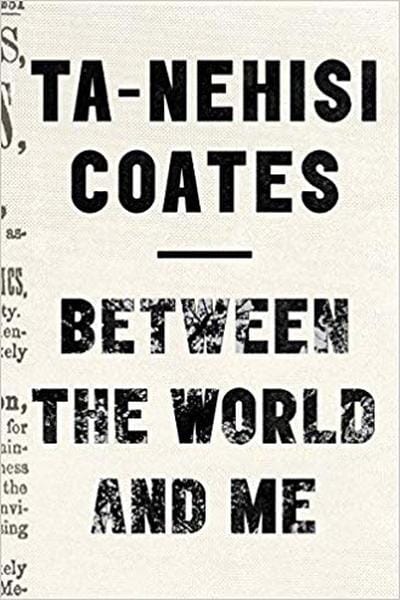
into Between the World and Me's present-day reckoning and back to
Frederick Douglass and the civil-rights history of Parting the
Waters. A second, quieter thread is history and biography read as
political instruction — Team of Rivals on coalition and leadership —
and a third reaches outward to global and immigrant lives (Adichie, Hamid,
Achebe) and to the near future (Life 3.0).
It is worth naming honestly what these post-presidency lists also are: a
form of public cultural curation, released each summer and December, as much a
considered gift to readers as a private confession of taste. That curation has
only widened since 2019 — toward contemporary literary fiction, inequality and
race (Caste, Poverty, by America), narrative history (The
Wager, King: A Life) and technology (Chip War). What
stays constant across the eras is the underlying conviction: that reading
widely, and especially reading fiction, is how you keep hold of other people's
humanity — including in a job where that is easy to lose.